Underwater LED lights improve the boat’s aesthetic appeal and visibility and...
Read MoreReliable marine communication is the backbone of safe boating, whether you’re cruising the coastline or heading offshore. Today’s best marine VHF radios do more than provide a direct line for boat-to-boat and boat-to-shore communication—they also integrate with AIS (Automatic Identification System) to elevate navigation and collision avoidance. For recreational boaters and yacht owners, especially in busy waterways or open ocean, a VHF radio with AIS isn’t just a luxury; it’s a necessity. The right setup enhances situational awareness, helps avoid accidents, and ensures rapid response in emergencies.
A marine VHF radio is a vital piece of marine electrical equipment, designed for clear, reliable communication on the water. Its primary role is to connect you instantly with other vessels and the Coast Guard, particularly in distress situations or when navigating complex environments. Modern radios feature Digital Selective Calling (DSC), allowing automated distress signals with precise GPS coordinates—crucial when time is of the essence.
AIS, or Automatic Identification System, is a transformative technology in boating safety. It transmits and receives data about vessel locations, speed, direction, and identity, painting a real-time digital map of your surroundings. Some radios offer only AIS receivers (for monitoring other boats), while advanced models include AIS transceivers—letting your vessel be seen by others equipped with the system. The distinction is significant for offshore voyages or high-traffic areas, as active transceivers ensure your position is broadcasted for maximum visibility.
When upgrading your yacht or boat, certain features set the best marine VHF radios apart:
A well-chosen VHF radio with these features ensures smooth communication and enhanced safety, especially when combined with other marine electrical systems like a marine battery charger 3 bank or marine power inverters for reliable onboard power.
When it comes to the best marine VHF radios equipped with AIS, a few models consistently stand out among boaters and professionals:
Each radio has unique strengths, whether you’re sailing a compact day cruiser, a well-equipped offshore vessel, or a luxury yacht. Consider your navigation habits, onboard electrical equipment, and integration needs before choosing the right model.
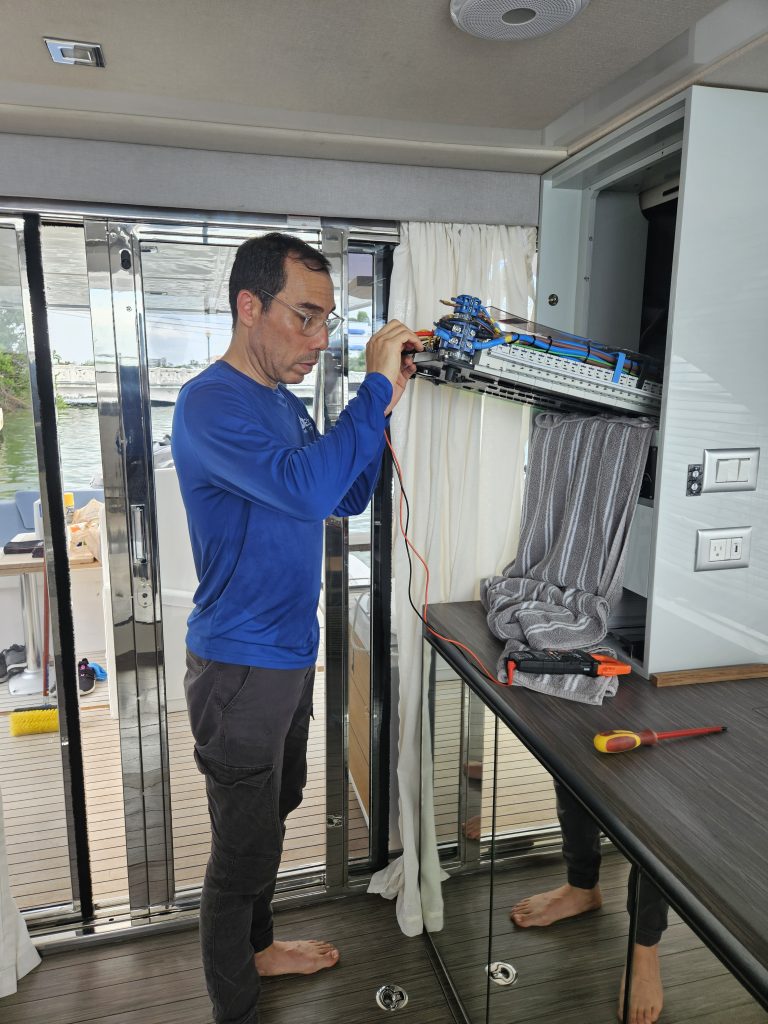
A marine VHF radio with AIS is only as reliable as its installation. Professional setup is vital for accurate GPS and AIS data, optimal antenna placement, and safe electrical connections. Poor installation can lead to signal loss, reduced range, or even system failure. Integration with your existing navigation suite—like a GPS chartplotter or multifunction display—requires expertise in modern marine electrical equipment.
For flawless results, trust a specialist with ABYC and NMEA certifications who understands the intricacies of marine battery management systems, shore power integration, and the demands of today’s sophisticated boats. OnBoat Marine is South Florida’s premier choice for expert installation, ensuring your radio operates at peak performance in every situation.
AIS isn’t just about avoiding collisions; it’s about empowering boaters with real-time information. Your radio displays the names, speed, direction, and vessel type of boats nearby, allowing you to make informed decisions when passing through narrow channels or entering busy harbors. Offshore, this data is invaluable for plotting safe courses and avoiding larger commercial traffic.
Picture this: You’re cruising at dusk, visibility is dropping, and your boat radar is picking up multiple targets. Your VHF with AIS overlays real-time information, confirming which targets are moving vessels and helping you avoid close calls. These smart integrations have prevented countless accidents and are now standard in premium marine setups.
Even with top-tier technology, best practices matter. Always monitor Channel 16 for emergency broadcasts and routine updates. Test your radio and DSC functions before each voyage, and use AIS filters in crowded zones to keep your display clear and actionable. For most recreational boaters in the U.S., an operating license isn’t required, but regulations may differ abroad—especially when transmitting AIS data.
Pair your radio with robust marine batteries and a marine isolation transformer to safeguard your electronics from power surges and ensure uninterrupted operation. If you’re weighing shore power and generator setups, consult a marine electrical expert for advice tailored to your vessel.
Combining VHF radio communication with AIS tracking is a proven way to elevate your boating safety and peace of mind. Selecting a model that matches your vessel’s needs, and having it professionally installed, ensures you’re prepared for every journey—whether navigating local waters or crossing open seas. For flawless integration, optimal performance, and expert support, rely on OnBoat Marine to keep you connected and secure on the water.
Underwater LED lights improve the boat’s aesthetic appeal and visibility and...
Read MoreMarine electrical equipment plays a critical role in the safety,...
Read MoreClean, well-organized installations are more than aesthetics they directly impact...
Read MoreOn-site marine installation services offer convenience, efficiency, and accuracy. By...
Read MoreModern marine electronics transform the boating experience. From GPS and...
Read MoreMarine electrical systems are the backbone of modern boats. From...
Read More